By Anya L.
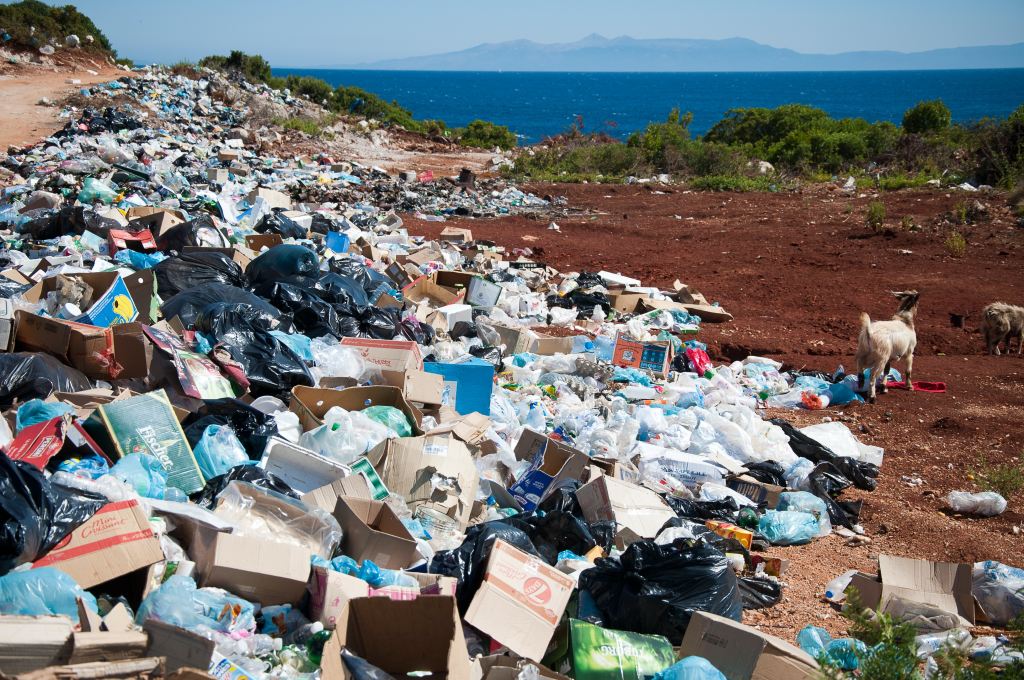
By 2050, fish populations in the ocean could be outweighed by plastic pollution, according to the Ellen MacArthur Foundation. We have to do everything we can to stop the spread of plastic use, which is one of the biggest pollutants to the environment. Plastic waste has more than doubled in the last two decades. It will only continue to grow; according to the Organization for Economic Co-operation and Development (OECD), plastic pollution will triple by 2060 if we don’t do anything about it. We need to stop this progression with more restrictions and regulations against the use of plastic.
Plastic is becoming increasingly common in both our living world and the oceans. The World Economic Forum estimates that one garbage truck’s worth of plastic is dumped into the ocean every minute. Banning plastic can significantly reduce waste, protect nature, and benefit both ourselves and the environment. As the plastic bans and measures were put in place in San Francisco, a blog post on Zero Waste Cities wrote that residents saw a 70–90% decrease in their disposable plastic bag use. Since then, many cities around the world have implemented similar laws around plastic usage. Over 50% of all plastic produced, according to the United Nations Environment Programme, is for single-use items. Single-use plastic bans can help reduce the need for plastic use and keep plastic out of the environment. Most plastic that is only meant to be used once is disposed of after only a little bit of use, at a huge environmental cost. The problem isn’t that people aren’t trying to reuse these products; it’s that this kind of plastic isn’t supposed to be reused. The most common type of plastic you’ll find is Polyethylene terephthalate, also called PET plastic. This type of plastic is only meant to be used once, it’s usually not safe to use it again. Using reusable materials is much more eco-friendly, along with pushing others to vote for plastic bans.
Plastic is an essential part of our lives, especially for people who come from low-income or low-resource communities. It’s affordable, strong, and durable. Many people around the world don’t have access to the resources that they need. Plastic makes this possible by providing people with these materials that are so important to their lives. In Flint, Michigan, residents found lead in their tap water after the city switched its source from Detroit’s system to the Flint River. Plastic water bottles became a vital part of daily life as people needed water that didn’t come from the Flint River. According to a news report by CNN titled “Flint family uses 151 bottles of water per day”, one Flint household used 151 state-provided plastic water bottles just for daily use. These families relied on bottled water to survive the water crisis. Many other water crises around the world have had similar experiences and also depended on these single-use plastic bottles. Bottled water has some unexpected consequences. It’s often taken from local water sources, which rips off communities that rely on that water. Less than 50% of all plastic water bottles are taken from the same sources as local tap water. Nestlé, a very popular Swiss food and drink company made their bottled water by taking it from groundwater sources in Michigan. As the citizens of Flint were fighting to get access to clean water, Nestlé was taking tap water and then reselling it at a more expensive rate, stating it was “fresh” and “pure”. By buying bottled water, you are paying these companies for tap water that most of you already have access to. Tap water is so much cheaper than bottled water because these companies need to make a profit. By supporting plastic bans it can benefit you, your wallet and the world.The use of plastic, which is one of the biggest environmental pollutants, has to be stopped. Investing in metal or glass containers will reduce your plastic footprint and make it easier to recycle and reuse. 50% of metal and glass get recycled globally, while plastic gets recycled only about 9% of the time. In the next few decades, we’ll be drowning in plastic; it’s already in our food, environment, and lives, and it’s only going to continue to spread. Let’s oppose plastic waste together by signing petitions (like this one from earthday.org), contacting your local government, supporting plastic bans in elections, and spreading awareness online (with hashtags and social media platforms). Time is of the essence for this planet and its people.
About the Author
Anya is a 12-year-old who is an avid reader and writer, plays sports, loves good food, is thoughtful and kind, and is a sister.
 youthambush.com